American & International Ballroom
Read about Waltz, Rumba, Swing and the other dances taught at DBoyerDance.
PRIVATE LESSONS WITH DOMINIC BOYER
Learn to enjoy a whole song with a partner: settle into its rhythm, turn together and let the movement change with the music.
Private lessons for one or two people in Mount Pleasant. A place to begin dancing, explore a favourite song or bring more feeling into the dances you already know.
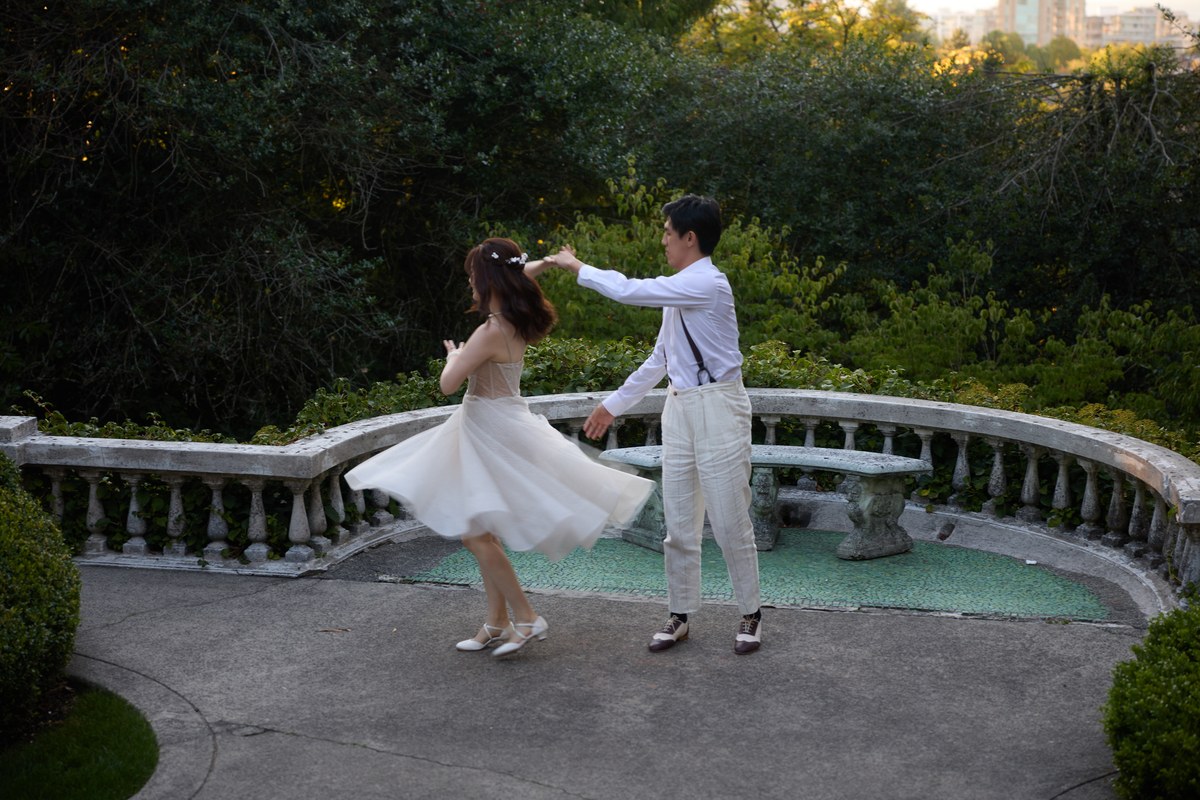
Blues has a grounded, relaxed feel, with the rhythm carried through the body. Soft knees and a clear change of weight let the hips, chest and shoulders respond to the music. The steps are often small, leaving plenty of room to play with the timing.
Some Blues music invites a slow walk or a quiet pause with a partner. Other songs have a strong shuffle or a driving beat that brings out quicker footwork and more energy. Partners might dance close together, open the hold or travel across the floor, depending on the music and the dance.
Blues is a family of dances that grew in African American communities alongside Blues music. That relationship between the music and the movement gives it its character.
Fusion combines movement from different partner dances. A flowing turn might lead into a simple walk, a change of rhythm or a moment of stillness. The song and the way the partners move together guide what comes next.
This makes room for a wide range of music. A soulful ballad gives you time to stretch out a movement; a stronger beat invites more energy. The same familiar steps can feel soft, playful or dramatic when the timing changes.
The connection keeps the dance clear through those changes. Each partner learns to feel where the movement is going, so turns, pauses and changes of direction fit together comfortably.
Music affects the way we move. Some songs bring out a playful side; others feel tender or more dramatic. Dancing with soul means allowing that feeling to show in the movement.
A long note gives you time to finish a turn. A quiet part of the song invites a smaller movement. An accent gives you a reason to change direction or stop together. These choices make a dance feel personal.
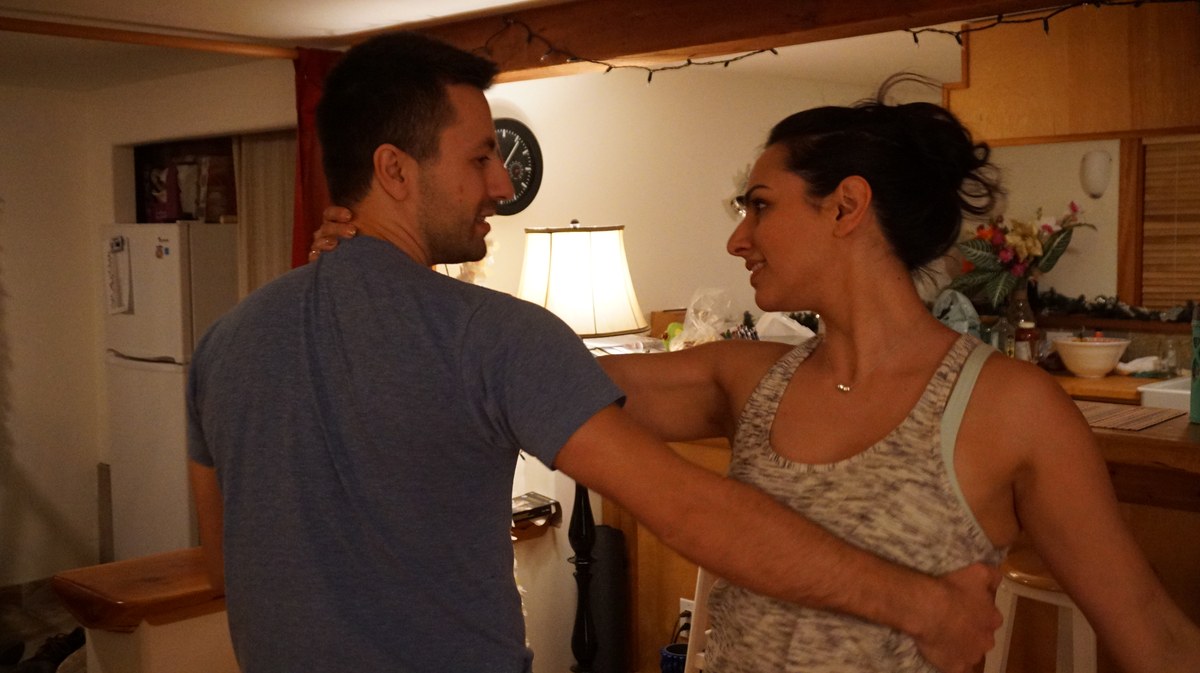
That is an important part of DBoyerDance: feeling more at home in your body, paying attention to the person with you and having room to express yourself. Balance helps a turn feel easy, and a clear connection lets your partner share the movement.
There is room to try an idea, laugh when it goes somewhere unexpected and keep something that feels good. The dance develops through the music and the people in the room.
The lesson begins with a rhythm and a few movements you can use straight away. Walking, changing direction and turning give you something to work with as a song plays. From there, the focus is on how those movements feel and how they connect.
A difficult turn might need to be slowed down, demonstrated or tried another way. Repeating it with music helps the timing become familiar. The approach changes with the person learning and what is happening in the dance.
Come on your own and dance with Dominic, or come with a partner. Couples get time to work on each person’s movement and on the lead and follow between them. Both people have a part in making the dance comfortable and enjoyable.
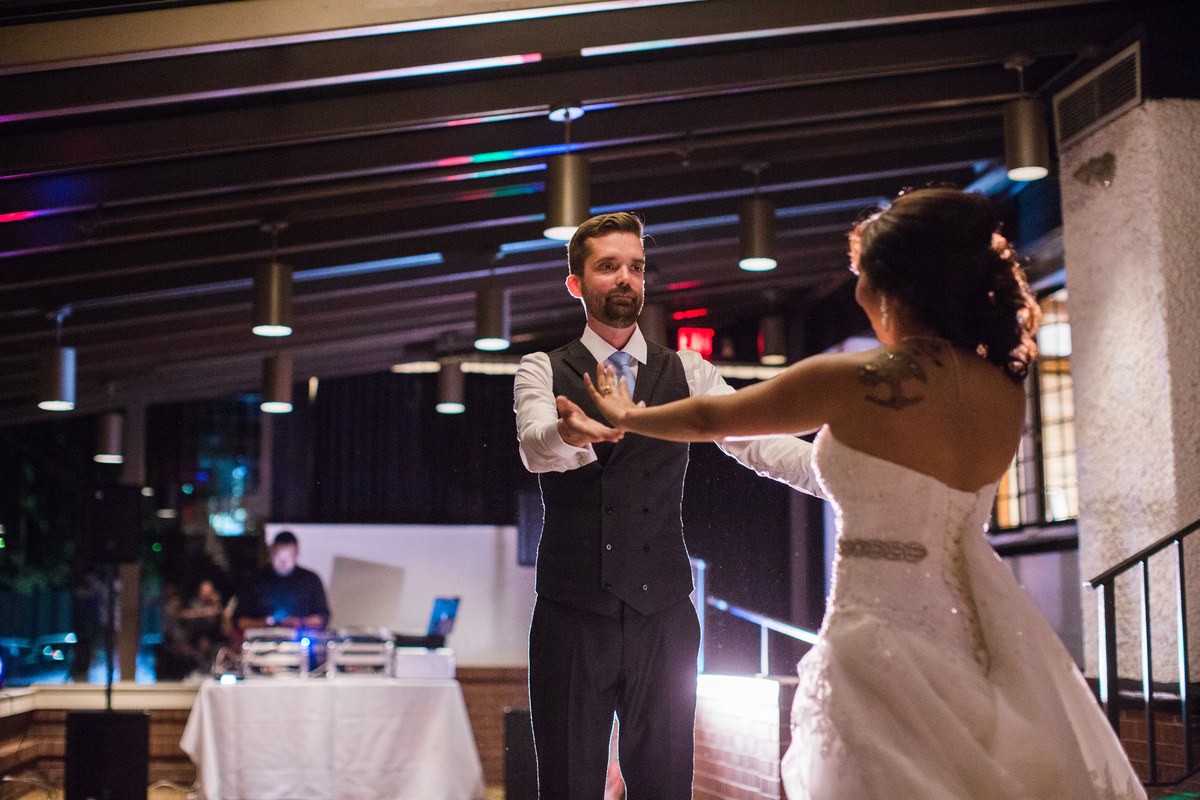
Most of my wedding-dance teaching starts with Blues and Fusion. They give a couple room to work with their song and develop movement that suits them. Some songs and couples call for another dance.
First, get comfortable dancing together. Then the song gives the dance its shape: where to begin, where the energy changes and how to finish. Choreography becomes a story told through movement, with familiar transitions helping you remember what comes next.
You might want to dance at home with a partner, join a social dance or spend some time moving to music you love. A few useful movements are enough to begin exploring.
Learning to lead or follow gives you more choice as you dance. You can repeat a step, change direction, turn or pause with the music. With practice, those choices become easier, leaving more attention for the song and the person sharing it with you.
PRIVATE LESSONS
$50 + GST
55 minutes for one or two people.
For new students, subject to availability.
Start with one lesson. If you would like to continue, the regular lesson and package options are explained before you decide.
Packages never expire, are transferable and are non-refundable. Cancellations require 36 hours' notice.
Yes. Start with a rhythm, a comfortable hold and a few steps. There is time to repeat them with music and build from what begins to feel familiar.
Yes. Send a song with your inquiry or bring it to the lesson. Its rhythm, pace and mood help guide the dance. Blues is closely tied to Blues music; Fusion works with a wider mix of songs.
That depends on the dance and what feels comfortable for both partners. Lessons can use a close embrace, an open hold or a hand connection. Each gives you a different way to move together.
Yes. Learn a few movements and practise choosing between them while the music plays. Leading and following help you share those choices with a partner. A particular song can also be used to develop choreography.
Comfortable clothes and shoes that stay securely on your feet. Ask about your shoes before the lesson if you are unsure, and bring any music you would like to dance to.
It depends on your starting point and what you want to learn. For a wedding, the song and time available matter too. The first lesson gives you a chance to dance together and discuss what would be useful next.
Read about Waltz, Rumba, Swing and the other dances taught at DBoyerDance.
His background in dance and the experiences that shape his teaching.
Send it to Dominic with a little about what you would like to learn. Mention whether you are coming alone or with a partner, and include your wedding date if you are preparing a first dance.
I reply usually in the next hour, unless I’m teaching.
Contact Dominic